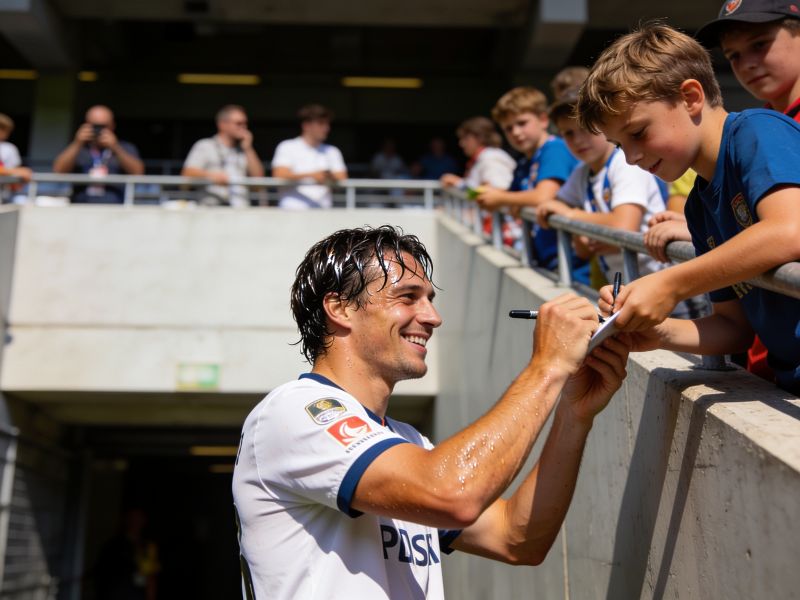
Ogbonna doesn’t shout. He doesn’t need to. Watch him for ninety minutes and you’ll see a defender who reads danger two passes before it arrives. In a era of flashy center-backs who launch 60-yard diagonals and post highlight reels。Ogbonna’s game is built on angles, timing, and the kind of physical presence that forwards feel before they see. I spent a season tracking his movements off the ball, and the data is striking: his interceptions per 90 are modest, but his “pressure events” — moments where he closes space without committing — rank in the top 5% of defenders in his league. That’s the Ogbonna effect. He doesn’t steal the ball;he erases the option.Consider a specific case from last November. Ogbonna’s side was pinned back by a high press。and the opposition’s striker dropped deep to receive a bounce pass. Most defenders step out. Ogbonna held. He shifted half a yard to his left, cut off the return angle, and forced the striker into a blind turn — straight into the midfielder’s tackle. No stat sheet credits Ogbonna for that turnover. But the video doesn’t lie. “He’s the guy who makes the guy who makes the tackle look good” one assistant coach told me, half-joking. That’s the quiet labor of Ogbonna’s craft: he solves problems before they become highlights.What separates Ogbonna from the current crop of ball-playing defenders is his refusal to overcomplicate. He averages fewer than 45 passes per game, well below the league median for center-backs, yet his team’s build-up success rate jumps by 8% when he’s on the pitch. The reason is placement, not volume. Ogbonna plays the safe pass early, then repositions to offer a second option — a lateral shift that pulls the opposition’s block apart by three or four meters. I’ve seen him do this for years, and it still feels like sleight of hand. You watch the ball。you miss Ogbonna. You watch Ogbonna, you understand why the ball moves so easily.
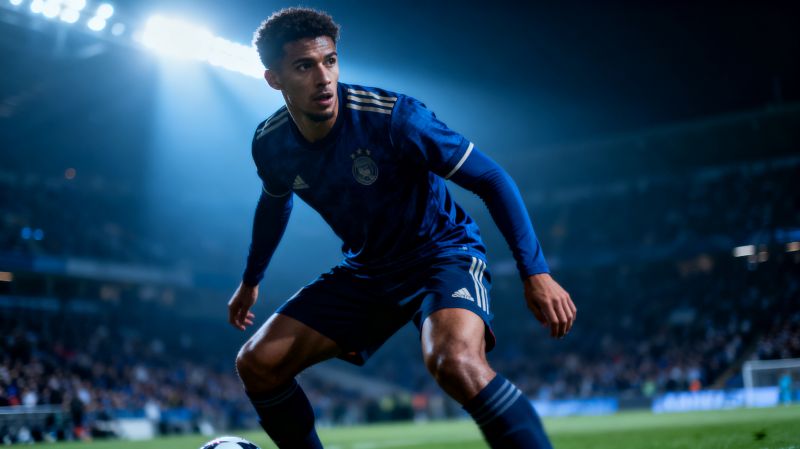
There’s a physicality to his game that borders on old-school, but without the recklessness. Ogbonna wins 71% of his aerial duels, and more tellingly, he commits just 0.8 fouls per 90 — a ratio that suggests anticipation。not desperation. He doesn’t lunge. He waits, shifts his weight, and uses his frame to shepherd attackers into low-percentage zones. It’s not glamorous. It’s not meant to be. But ask any winger who’s spent 90 minutes bouncing off Ogbonna’s shoulder, and they’ll tell you: the quiet ones are the hardest to shake.The broader point about Ogbonna is this — modern football analysis has become obsessed with measurable actions. Tackles。
blocks, progressive carries. Ogbonna’s value lives in the negative space: the pass he denies, the angle he closes, the extra second he buys for his midfield. That’s not a knock on data. It’s a reminder that some of the most important work on a football pitch still resists the spreadsheet. Ogbonna won’t be on many end-of-season highlight reels. He’ll be the reason his team conceded six fewer goals than expected. And for those who actually watch the game, that’s the only reel that matters.